Watercolor Floral Art for Modern Design Projects
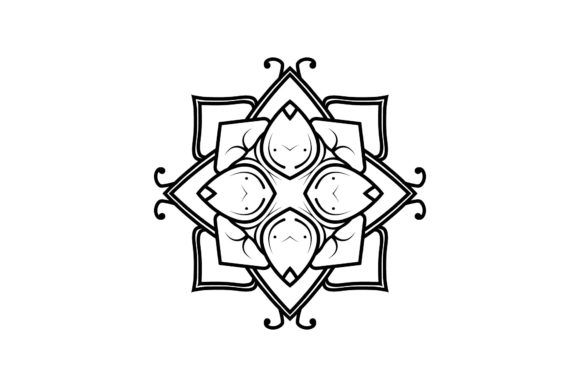
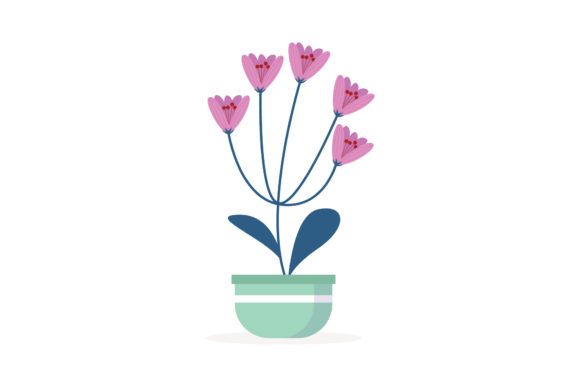
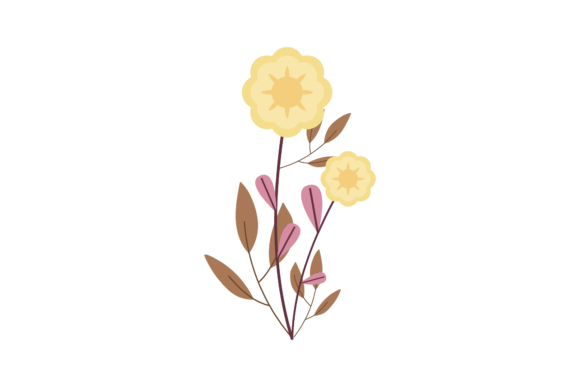
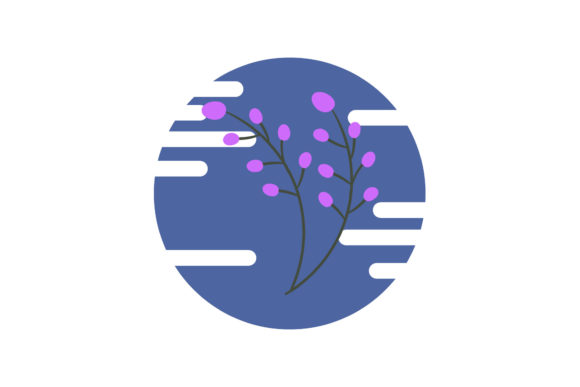
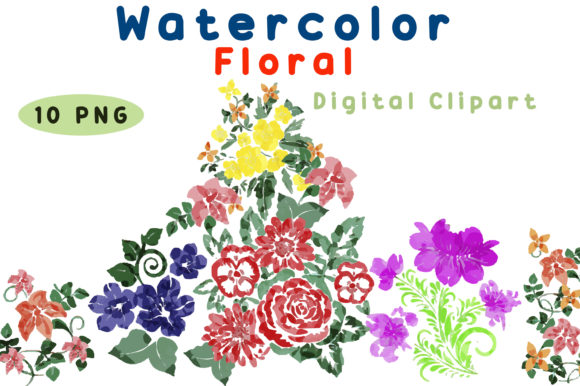
As a graphic designer with years of experience in branding, packaging, and digital marketing visuals, I recently came across the Watercolor Floral Art design asset. It’s not just another collection of illustrations—it's a versatile set of 10 hand-painted watercolor elements that bring a soft, organic feel to any project. This is my new floral watercolor design, and it has potential for real client use when applied thoughtfully.
A Soft Touch for Handmade Brands
The first impression of Watercolor Floral Art is its gentle, painterly aesthetic. The strokes are fluid, the colors are muted yet vibrant, and the overall mood feels warm and inviting. This style naturally fits handmade brands, boutique product lines, or seasonal campaigns. Think of a small business selling artisanal candles, natural skincare, or eco-friendly home goods—this design could be the perfect visual companion.
The illustrations carry a sense of authenticity and imperfection, which aligns well with the ethos of many creative entrepreneurs. Unlike overly polished digital graphics, these watercolor elements evoke a human touch, making them ideal for brands that want to appear personal and approachable.
Where Watercolor Floral Art Shines in Real Design Work
When considering this asset for a client project, I look at how it performs in various contexts. Here are some areas where Watercolor Floral Art excels:
- Brand Identity: These illustrations can be used as decorative accents in logos, packaging, or stationery for a brand that wants to convey warmth and creativity.
- Product Labels: The soft floral details work well on labels for food, cosmetics, or handmade products, adding a premium feel without overwhelming the text.
- Social Media Graphics: For Instagram posts, Pinterest pins, or Facebook ads, these designs can serve as hero graphics or background elements in a campaign focused on nature, wellness, or lifestyle themes.
- Printable Designs: From stickers to wall art, the illustrations add a decorative flair that works especially well in large layout areas or as part of themed collections.
- Cricut Projects: The clean lines and detailed textures make these assets suitable for cutting machines, helping crafters create custom greeting cards, scrapbook pages, or DIY decor.
- Canva Templates: As a design bundle, they can be integrated into templates for blog headers, website banners, or printable planners.
Use with Caution in Certain Contexts
While Watercolor Floral Art is a beautiful addition to many projects, it may not be the best fit in every situation. Here are a few scenarios where it should be used carefully:
- Small Sizes: The intricate details might get lost when scaled down, so testing the asset at different sizes is crucial before finalizing a design.
- Crowded Layouts: Overusing the illustrations in busy compositions can lead to visual clutter, reducing readability and hierarchy.
- Low-Contrast Backgrounds: When placed on light or pale backgrounds, the subtlety of the watercolor elements can become difficult to see.
- Minimalist Branding: If a client is going for a clean, modern look, these illustrations might not align with their visual goals.
- Professional Corporate Materials: In more formal settings like financial reports or legal documents, the floral elements may not be appropriate.
Design Considerations Before Commercial Use
Before using Watercolor Floral Art for a client project, there are several practical checks to consider:
- Test in Black and White: This helps assess whether the illustration maintains its visual appeal without color.
- Check Contrast: Ensure it stands out on both light and dark backgrounds, especially if it will be used in multiple contexts.
- Preview at Different Sizes: Confirm that the details remain visible even when scaled down for social media or print-on-demand products.
- Review File Formats: Look for PNG transparency or vector options (like SVG) if you need to edit or scale the asset further.
- Confirm Commercial License: Always verify that the asset comes with a commercial license to avoid legal issues when using it for client work.
- Compare with Typography: Test how it pairs with different fonts—serif, sans serif, script, or display—to ensure harmony in your design.
- Test Print Quality: If the asset will be used for physical products like t-shirts or mugs, review how it looks when printed.
Emotional Appeal and Brand Recognition
The emotional appeal of Watercolor Floral Art lies in its ability to evoke feelings of calm, creativity, and natural beauty. This makes it a powerful tool for brands targeting audiences who value mindfulness, sustainability, or artisan craftsmanship. When used consistently across a brand identity, these illustrations can help build recognition and reinforce a cohesive visual message.
However, it's important to balance this with clear visual hierarchy. Too much emphasis on the floral elements can distract from key messages or branding elements. A professional designer must ensure that the illustrations support—not overshadow—the primary purpose of the design.
Final Thoughts on Watercolor Floral Art
In summary, Watercolor Floral Art is a valuable creative asset for designers working with handmade businesses, Etsy shops, or small brands looking to stand out with a unique visual identity. Its versatility makes it suitable for a wide range of applications—from social media graphics to packaging design—but it requires thoughtful placement and consideration of context.
If you're a marketer, content creator, or digital seller, this design bundle offers an opportunity to elevate your visuals with a touch of organic charm. Just remember to test it thoroughly and use it in ways that enhance—not complicate—your design goals.