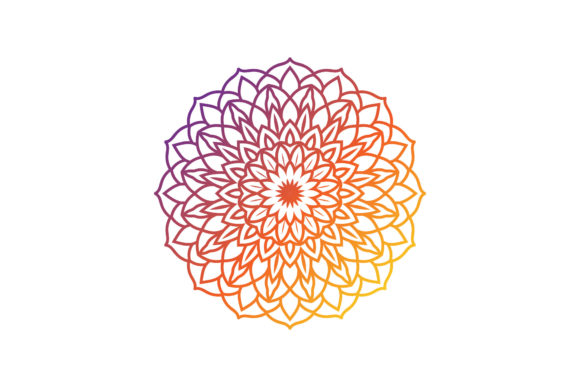
Mandala Floral Illustrations: Graphics & Illustrations
First Impression: A Calm, Handcrafted Pulse
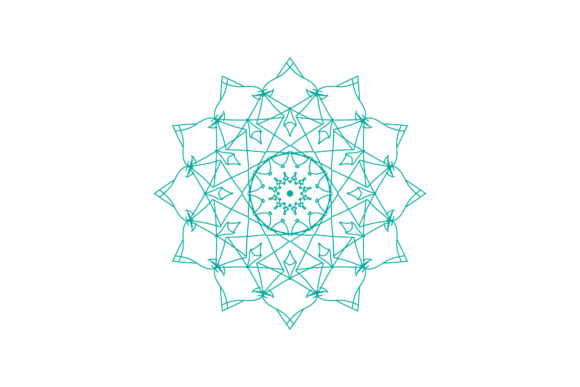
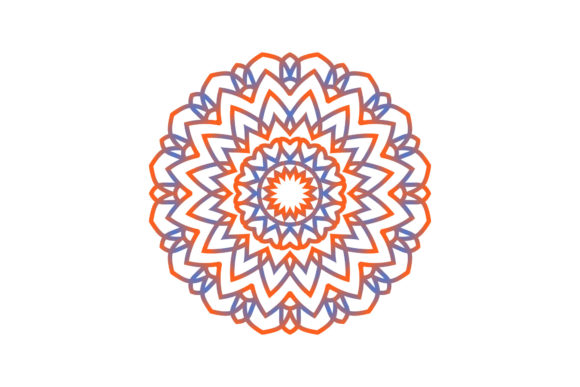
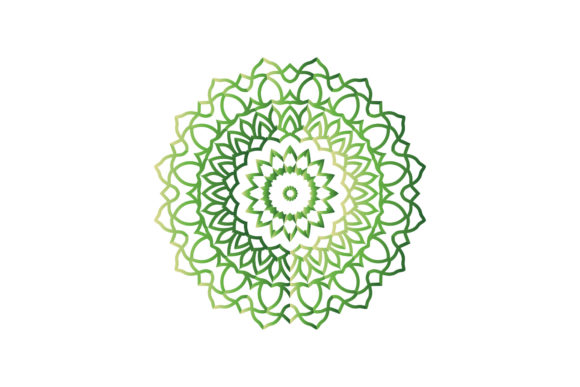
When I opened the Mandala Floral Illustrations set for a recent client project—a botanical tea brand launching seasonal gift boxes—the first thing that struck me wasn’t just symmetry or detail, but *intention*. These aren’t generic clipart florals. Each motif balances intricate linework with organic flow—petals curl like breath, leaves unfurl with quiet confidence, and the mandala structure feels grounded, not rigid. It evokes slow living, mindful craftsmanship, and earth-rooted elegance. That mood aligns perfectly with handmade business branding, wellness-focused Etsy products, and print-on-demand collections where emotional resonance matters as much as visual polish.
Where It Shines in Real Client Work
In practice, Mandala Floral Illustrations performs strongest when used as a *supporting visual anchor*, not a standalone logo. For the tea brand, I layered a simplified version behind hand-lettered product names on labels—its radial rhythm subtly reinforced “harmony” and “balance,” core brand values. It elevated packaging design without competing with typography. On social media graphics, it worked beautifully as a hero graphic for Instagram posts and Pinterest pins: large-scale, centered, with generous negative space. As a t-shirt design? Excellent for relaxed-fit apparel targeting yoga studios or eco-conscious retailers—especially when scaled to chest or back placement. For Cricut projects and printable wall art, the vector precision meant crisp cuts and clean edges every time. In Canva templates, it added instant texture and thematic cohesion to digital ads and email headers.
Top 5 High-Performance Uses
- Product mockups: Adds artisanal warmth to mugs, tote bags, and soap wraps—no pixelation, even at 300% zoom.
- Themed campaign visuals: Perfect for spring launches, wedding stationery, or spa retreat branding where soft geometry meets nature.
- Decorative accents: Subtle borders on invitations, watermark-style overlays on blog visuals, or corner flourishes in editorial design.
- Printable designs: Scales flawlessly for A4 wall art, planner stickers, or sublimation design transfers—no loss of line integrity.
- Brand identity extensions: Reinforces core aesthetics across merch, web design, and marketing visuals without repeating the primary logo.
Where Caution Is Essential
This isn’t a one-size-fits-all graphic design asset. Mandala Floral Illustrations can overwhelm small layouts—think app icons, favicon-sized elements, or tight label real estate. Its density makes it unsuitable for minimalist branding or corporate B2B materials where clarity trumps ornamentation. On complex backgrounds (e.g., busy photo collages or gradient overlays), contrast suffers unless carefully masked or recolored. And while beautiful in color, its readability drops significantly in low-contrast scenarios—avoid pairing it with light pastels on off-white backgrounds without testing first.
Design Impact: Beyond Aesthetics
Used thoughtfully, Mandala Floral Illustrations strengthens visual hierarchy by creating natural focal zones—ideal for guiding the eye toward key messaging in posters or flyers. It boosts emotional appeal for audiences seeking authenticity and intentionality, which directly supports audience engagement for small business branding. But overuse dilutes brand consistency; I limit it to 2–3 variations per campaign. Professionally, it signals care and craft—when placed on premium packaging or high-res product mockups, it elevates perceived value. However, it doesn’t inherently build visual trust for finance or tech clients; context is everything.
Practical Designer Notes Before Deployment
Before clearing Mandala Floral Illustrations for a client’s commercial design, I always run these checks:
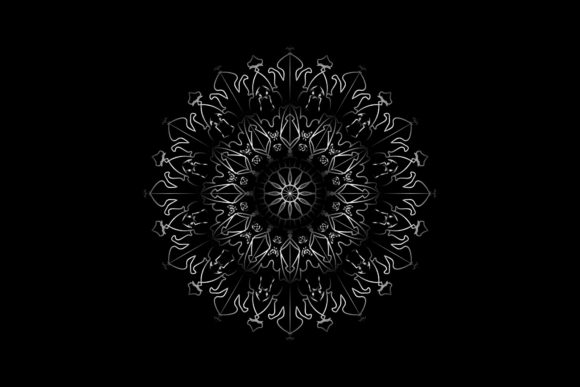
- Test in black and white: Confirms structural clarity—some delicate inner lines vanish without color cues.
- Check contrast on light AND dark backgrounds: Especially critical for social media graphics and web design.
- Preview at actual usage sizes: Zoom to 100% on a mockup of a 4×6 sticker or 12×12 tote bag panel.
- Place on real product mockups: Vector scalability means nothing if proportions feel off on curved mug surfaces or fabric drape.
- Verify print quality: Run a test print at 300 DPI—check for unintended halos or feathering in fine linework.
- Inspect file formats: Confirm SVG paths are clean and editable; verify PNG transparency is alpha-channel, not matte-based.
- Font compatibility test: Try pairing with serif (e.g., Playfair Display), sans serif (e.g., Montserrat), script (e.g., Pacifico), and display fonts—some clash with its organic flow.
- Confirm commercial license: Essential for Etsy product listings, print-on-demand storefronts, and client deliverables—never assume.
A Strategic Creative Asset, Not Just Pretty Clipart
Mandala Floral Illustrations isn’t filler—it’s a deliberate stylistic choice. When matched to the right client (think apothecaries, ceramic studios, indie publishers, or conscious lifestyle brands), it deepens narrative coherence across touchpoints. As a digital product, it saves hours of custom illustration work—but only if treated as a thoughtful component of a broader creative design system. Used with restraint, technical awareness, and audience insight, it becomes more than an illustration: it’s a quiet ambassador for intention, beauty, and brand-aligned storytelling.