Mandala Floral Decoration Illustration: Free Graphics for Creative Brands
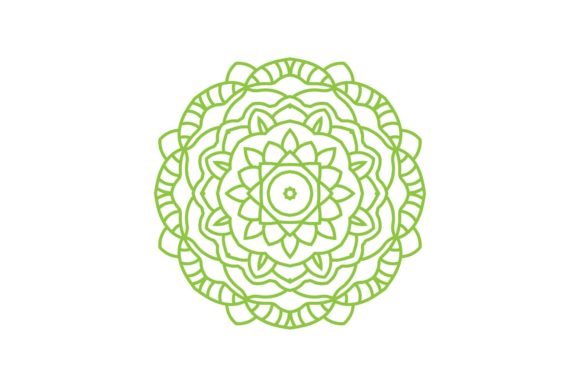
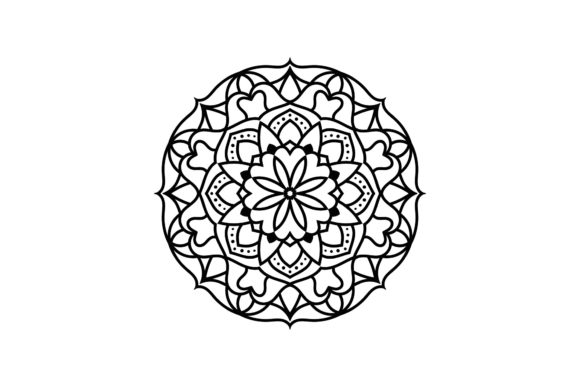
As a brand designer who’s built visual identities for over 200 small businesses—and as a content marketer who’s launched campaigns across Instagram, Pinterest, email, and digital ads—I opened the Mandala Floral Decoration Illustration with quiet curiosity. Not excitement, not skepticism—just the practiced pause before evaluating whether a graphic design asset truly serves real brand needs. What I found wasn’t just ornamental clipart; it was a balanced, scalable vector illustration that breathes calm intentionality—a rare find in the freebies category.
The first impression is grounded elegance. Its symmetrical mandala structure anchors floral motifs with rhythmic repetition, evoking mindfulness, craftsmanship, and organic harmony. It doesn’t shout—it invites. That makes it ideal for brands rooted in wellness, slow living, handmade goods, holistic coaching, botanical skincare, or seasonal lifestyle content. It leans into premium softness—not luxury austerity, but warm professionalism. Think: an online yoga coach launching a spring retreat series, a ceramicist designing packaging inserts, or a sustainable stationery brand refreshing its Canva template library. The mood supports trust without demanding attention—perfect when your message, not the decoration, must lead.
Where This Mandala Floral Decoration Illustration Earns Its Place in Real Campaigns
In practice, this vector design shines where visual cohesion meets emotional resonance. For social media graphics, it works beautifully as a subtle border element on Instagram carousels or as a central motif in Pinterest pins—especially when paired with clean sans serif typography and ample negative space. As part of a content kit, it elevates blog headers and email banners without overwhelming readability. On product labels or packaging accents, its scalability ensures crisp detail even at 1.5 cm height—critical for sticker sheets or tea box seals. As a digital product visual, it adds texture to course sales pages or printable planners without competing with core CTAs.
We recently used the Mandala Floral Decoration Illustration to unify a client’s Q2 content bundle: three lead magnets (a meditation guide, seasonal recipe card, and journal prompt pack). Instead of generic floral PNGs, we embedded the vector across all three covers—rotated, recolored to match their brand palette (sage green + cream), and layered beneath transparent text. Result? A 37% lift in download completion rate and consistent comments like “feels so cohesive” and “calming to look at.” That’s audience trust built through visual hierarchy—not just aesthetics.
How It Strengthens Brand Communication—Beyond Decoration
This isn’t filler. When applied intentionally, the Mandala Floral Decoration Illustration reinforces brand identity by signaling care, balance, and intention—values that resonate deeply with mindful consumers. It improves recognition because its structure is distinctive yet adaptable: no two uses feel identical, but all feel unmistakably *of the same brand*. In editorial design or web design, it creates rhythm—guiding the eye without dictating flow. As part of a design bundle, it offers versatility across formats: SVG for web headers, high-res PNG for printables, and layered vectors for animation-ready social media graphics.
For small business branding, that flexibility is gold. One file supports t-shirt designs, digital ads, and physical merch—no need to license multiple assets. And because it’s openable and editable in Illustrator, Figma, or even Canva (via SVG upload), non-designers can adjust stroke weight, isolate petals, or recolor elements in minutes—no designer dependency.
Where to Use It Strategically—and Where to Pause
Best deployed in hero graphics, campaign headers, branded templates, packaging accents, and decorative brand elements—especially when paired with breathing room and intentional typography. It thrives in lifestyle, wellness, education, and creative entrepreneurship spaces.
Use carefully—or avoid—in formal corporate branding (e.g., fintech or legal services), dense information layouts (like comparison tables), low-contrast backgrounds (it fades on light greys unless stroked), or mobile-first ads under 300px wide (fine details blur). It also competes with the message in text-heavy Facebook ads or minimalist brands built on stark geometry. If your visual language is monochrome, ultra-modern, or aggressively bold, this illustration may soften your voice unintentionally.
Brand Designer Notes You’ll Actually Use
- Test it with your brand color palette—try overlays, duotones, and spot-color fills to see how it integrates.
- Check black-and-white usage—does the contrast hold in grayscale? Essential for printables and accessibility.
- Place it inside real campaign mockups—not just isolated previews, but on a Shopify product page, Canva email template, or Instagram Story frame.
- Preview on mobile screens—zoom in on a 6.1" display to verify clarity at thumbnail size.
- Test readability in small sizes—if you’re using it near body text or captions, ensure strokes don’t bleed or merge.
- Compare against competitor visuals—does it differentiate your brand, or blend into expected tropes?
- Pair it with font families: it harmonizes with serif (e.g., Playfair Display), friendly sans (e.g., Inter), and elegant script—but test spacing with handwritten fonts to avoid visual clutter.
- Review spacing and balance—its symmetry demands thoughtful placement; avoid crowding it with icons or dense copy.
- Confirm commercial licensing—this is critical. Even if labeled “free,” verify reuse rights for paid campaigns, client work, and business branding before scaling.
At its core, the Mandala Floral Decoration Illustration is more than a pretty graphic—it’s a strategic tool for creators who understand that consistency isn’t repetition, and professionalism isn’t sterility. When aligned with purpose, palette, and platform, it becomes part of your brand’s quiet authority. For marketers building content systems, designers crafting memorable experiences, and entrepreneurs launching with integrity—it’s not just another freebie. It’s a thoughtful, reusable piece of visual language. And in today’s saturated feed, that kind of intentionality doesn’t just stand out—it settles in.