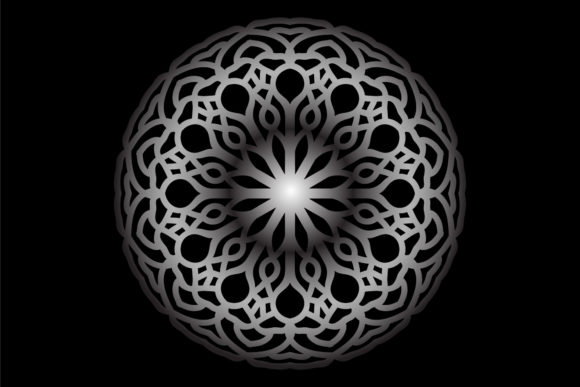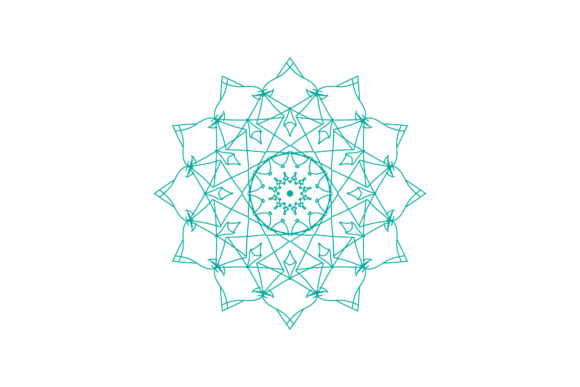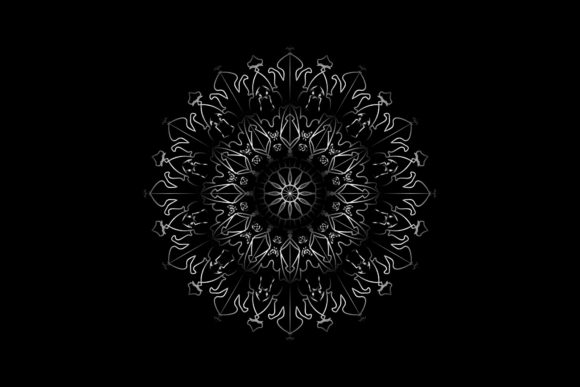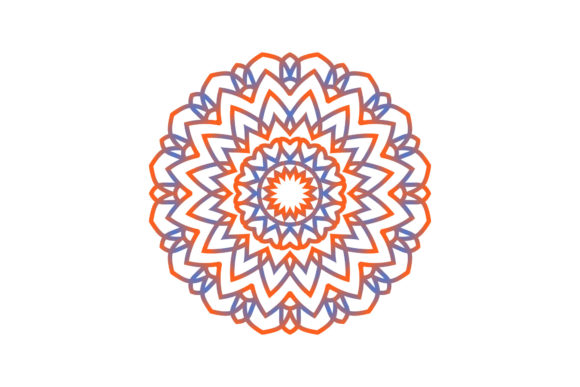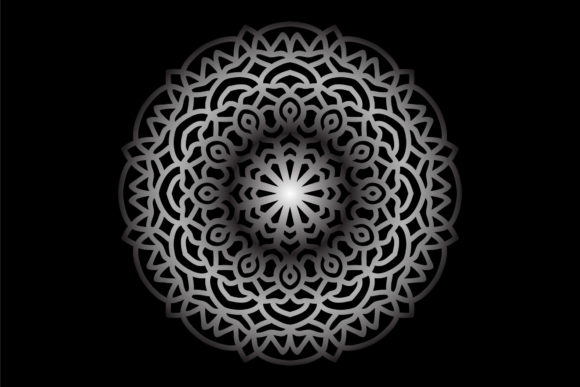
Mandala Floral Beauty Vector: Graphics & Illustrations
First Impression: Calm, Crafted, and Instantly Recognizable
Opening Mandala Floral Beauty Vector feels like unrolling a hand-painted silk scarf—delicate symmetry meets organic flow. As a brand designer who’s audited over 200 visual assets for wellness brands, coaches, and boutique product lines, I immediately noticed how it balances precision with softness. It evokes quiet confidence—not loud or trendy, but timeless and intentional. That matters deeply when your audience is scrolling past 300+ posts daily. This graphic design asset doesn’t shout; it invites pause. It leans into mindful aesthetics, making it ideal for lifestyle content, holistic branding, editorial design, and premium printable designs—not fast-fashion merch or tech SaaS campaigns.
A Real Campaign Fit: Launching a Seasonal Self-Care Kit
Last month, I helped a small business owner refresh her spring self-care subscription box. She needed cohesive visuals across Instagram carousels, email banners, packaging inserts, and Pinterest pins—all without hiring an illustrator each time. Mandala Floral Beauty Vector became the anchor. We placed it subtly behind clean typography in Canva templates, scaled it to frame product photos on web design mockups, and used its center negative space to spotlight a handwritten tagline. Because it’s a true vector file, we resized it from a 4” sticker die-cut to a 3000px website header—zero pixelation, zero rework. That flexibility is rare in creative marketplaces—and critical for small business branding on tight timelines.
Where It Strengthens Brand Communication
- Brand identity: Works beautifully as a secondary mark or pattern accent—especially when paired with neutral palettes or muted earth tones.
- Social media graphics: Adds visual hierarchy to Instagram posts and Facebook ads without overwhelming the copy. Tested well on mobile previews at 60% opacity behind bold sans serif headlines.
- Pinterest pins & blog graphics: Its radial balance draws the eye naturally toward the center—ideal for lead magnets and content marketing thumbnails.
- Packaging design & product labels: Used as a foil-stamped border on kraft boxes or as a subtle watermark on tissue paper—it elevates perceived value instantly.
- Digital product visuals: Perfect for previewing guided journal covers, meditation card decks, or printable planners—reinforcing “handmade care” without cliché florals.
What It Does for Audience Trust & Recognition
In a sea of generic clipart and AI-generated swirls, Mandala Floral Beauty Vector stands out because it feels *designed*, not assembled. That nuance builds audience trust. When followers see it repeated across your email banners, Canva templates, and Instagram Stories, they begin associating its rhythm and harmony with your brand’s calm authority. It supports stronger recognition—not through repetition alone, but through consistent emotional tone. For online coaches and creative entrepreneurs, that consistency translates directly into higher engagement and better conversion on digital ads and content bundles.
Best Places to Deploy This Illustration
- Hero graphics for landing pages promoting seasonal offers
- Campaign headers in branded email sequences
- Decorative brand elements inside media kits and pitch decks
- Accents on merchandise—think tote bags, enamel pins, or yoga mat prints
- Background layers in editorial layouts for blogs and newsletters
- Branded templates for clients or course students (with proper commercial license)
Where to Use It Thoughtfully
This isn’t a one-size-fits-all SVG design. Avoid using Mandala Floral Beauty Vector in formal corporate branding—it lacks the austerity expected in finance or legal verticals. Skip dense information layouts where clarity trumps beauty; its detail competes with small body text. Don’t place it on low-contrast backgrounds (e.g., light gray on white) without testing readability. And if your brand voice is ultra-minimalist—think monochrome, geometric, high-contrast—this illustration may dilute your visual hierarchy instead of enhancing it.
Practical Brand Designer Notes You’ll Actually Use
- Test it against your full brand color palette—not just primary hues, but gradients and neutrals.
- Check black-and-white usage: does the mandala retain legibility when flattened? (It does—but verify spacing in your specific export.)
- Drop it into real campaign mockups—especially mobile screens—to assess scale and breathing room.
- Compare it side-by-side with top competitor visuals: does it feel distinct yet category-appropriate?
- Pair it with serif fonts for editorial warmth, sans serifs for modern clarity, and script fonts sparingly—only where elegance supports message, not distracts.
- Confirm commercial licensing before using in paid campaigns, client deliverables, or any digital product sold publicly.
Why This Is More Than Just Another Illustration
Mandala Floral Beauty Vector isn’t just decoration—it’s a strategic design asset. In content marketing, every visual must earn its place. This one delivers on multiple fronts: emotional resonance for wellness and lifestyle audiences, scalability for cross-channel campaigns, and adaptability across both digital product and printable design needs. For bloggers building content kits, social media managers refreshing quarterly visuals, or product creators designing launch bundles—it saves hours while raising perceived quality. Unlike generic clipart, it carries intention. Unlike overused stock illustrations, it feels bespoke. And unlike raster-based PNG design, it stays crisp whether you’re printing a poster or optimizing a thumbnail.
The Bottom Line for Creative Entrepreneurs
If your brand speaks to presence, growth, balance, or gentle transformation—Mandala Floral Beauty Vector aligns. It’s not flashy, but it’s memorable. Not loud, but it holds space. As a graphic design asset, it performs quietly but powerfully across packaging design, social media graphics, and editorial layouts—especially when you treat it as part of a system, not a standalone flourish. For small business owners choosing between dozens of illustrations in a creative marketplace, this one earns its place—not because it’s the most complex, but because it’s the most consistently useful, emotionally intelligent, and professionally versatile.